The Outside Within P4 Poetic Pics
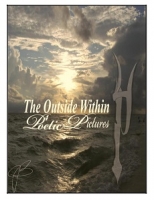
Having established the legal formalities which accompany writing a book, The Outside Within Poetic Pictures, accounts for the poetry aspect of P4. Here at P4, we're like a hallmark but more personalized, providing customized poetry for potential clients. Subjects range from spirituality to eroticism to the love of a pet. Absolutely NO two (2) individuals can have the EXACT same poem (even if only the name, of the individual(s), is the difference). Since there are no two individuals alike, find your zone & claim your own! "For Any Reason For Any Season".
FOR IMMEDIATE RELEASE / PRURGENT
The Art of the P4 Poetic Story: Crafting Narrative Through Verse
A poetic story blends the clear arc of a tale with the spark of poetry's words. It uses rhythm, images, and sounds to build worlds and characters. Think of it as prose with a heartbeat. This article digs into how these stories work. We'll look at their building blocks, structures, and emotional pull.
The poetic story stands out because it hits you deep and sticks with you. Unlike plain prose, it wraps emotions in tight lines that echo long after you read. It speaks to your heart and mind in ways straight stories can't match.
The Foundations of Poetic Storytelling
You start a poetic story by nailing the basics. These tools turn raw ideas into something alive. Let's break it down.
Distinguishing Poetic Narrative from Prose Fiction
Poetic narratives ditch long paragraphs for sharp lines and breaks. In a short story, sentences flow smooth like a river. Here, each line pauses, making you feel the weight of every word. This setup sparks new ideas from limits.
Rhythm and meter push the plot forward. Iambic pentameter, with its da-DUM beat, mimics a heartbeat during chases or quiet talks. It shapes how characters move and speak. Take Shakespeare's plays; the verse speeds up fights and slows tender moments.
Prose gives room to explain everything. Poetry forces you to hint and suggest. That gap pulls readers in closer.
Mastering Imagery and Sensory Detail
Poetry packs a punch with few words. You pick sights, sounds, or smells that paint the scene fast. Instead of pages on a forest, one line might say "leaves whisper secrets in the wind." It shows the mood without spelling it out.
"Show, don't tell" rules here too. A metaphor like "her heart was a locked chest" reveals pain quicker than description. Similes compare to make feelings pop. They act as quick paths to deep emotions.
Sensory details ground the story. Feel the salt spray in a sea tale or hear the crackle of a fire. These bits make the poetic story feel real and close.
Characterization Through Voice and Line
Characters come alive through how they sound. Dialogue gets short and punchy, like real talk cut to the bone. No filler; every word reveals who they are.
Dramatic monologue lets one voice spill secrets. Think of Browning's duke in "My Last Duchess." His lines twist pride into menace. It builds the person without extra narration.
Internal thoughts fit right into the lines. A character's doubt might break a stanza, showing inner storms. This skips long backstories. You see motives in the flow of words.